
Vastu Shastra, often referred to as the science of architecture, is one of the oldest and most comprehensive design systems in the world. Rooted in ancient Indian philosophy, Vastu goes beyond the aesthetics of a home—it creates a connection between the built environment and the natural energies of the universe. When applied thoughtfully to interiors, it ensures that every corner of your living space is infused with harmony, health, prosperity, and happiness. In modern times, where stress and imbalance have become common, homeowners are increasingly turning to Vastu to bring peace and positivity into their houses. At Module Studio, we believe interiors should not only look beautiful but also feel balanced, which is why integrating Vastu principles into design is an essential part of creating homes that radiate warmth, wellness, and abundance.
-
 The Five Elements & Their Spatial Influence
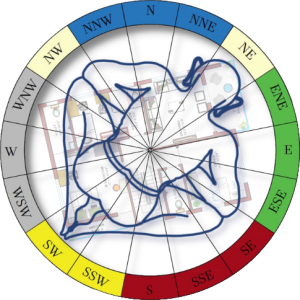
The foundation of Vastu lies in the Pancha Bhootas, or the five natural elements: Earth (Prithvi), Water (Jal), Fire (Agni), Air (Vayu), and Space (Akash). These elements are considered the building blocks of the universe and, according to Vastu, every living space must balance them correctly for harmony to prevail.
 Earth (Prithvi): Symbolizing stability, fertility, and strength, the earth element is associated with the south-west zone of the house. Placing heavy furniture like wardrobes, storage cabinets, or safes in this direction provides a sense of grounding and permanence. It is believed to help homeowners feel more secure in their careers, finances, and personal life.
- Water (Jal): Associated with purity, calmness, and emotional well-being, the water element belongs to the north-east direction. It is the best place for a small fountain, an aquarium, or even a prayer room. Water features here are said to attract wealth and mental clarity.
- Fire (Agni): The element of energy, passion, and transformation, fire governs the south-east zone. This makes it the ideal placement for the kitchen or cooking activities. Even in modern interiors, positioning the stove in this corner is said to boost health and vitality.
- Air (Vayu): Representing communication, movement, and creativity, the air element rules the north-west zone. Guest rooms, living rooms, or even children’s play areas work best in this part of the house, as it encourages openness and positive interactions.
- Space (Akash): The central portion of any home, also known as the Brahmasthan, represents space or ether. This is the heart of the home and should be left open and clutter-free to allow positive energy to circulate without restriction.
Balancing these elements while designing interiors ensures that the home is not only visually appealing but also deeply aligned with natural energies.
-
Entrances & Main Doors: The Energy Gateways
In Vastu, the main entrance of a home is considered the “mouth of energy.” This is where all positive and negative vibrations enter, so its placement and design are extremely important. Ideally, entrances facing the north, east, or north-east are believed to bring good luck, financial growth, and health. These directions are linked with sunlight and positive cosmic forces, which ensure prosperity flows into the home.
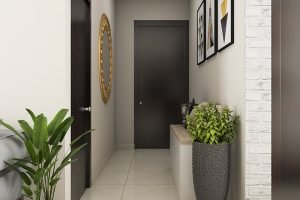
The door itself should be grand, well-lit, and inviting. Using high-quality wood and designing the door to be taller and broader than other doors in the house gives it prominence. According to Vastu, the main door should always open in a clockwise direction and never be obstructed by clutter. Shoes, garbage bins, or broken furniture near the entrance can block positive energies from entering. Similarly, avoid placing a mirror or water feature directly opposite the main door, as it is said to reflect good fortune back out of the house.
For a modern touch, homeowners can combine these Vastu rules with contemporary design by adding decorative plants, warm lighting, or auspicious symbols near the entrance to create a welcoming and positive vibe.
-
Brahmasthan: The Quiet Heart of Your Home
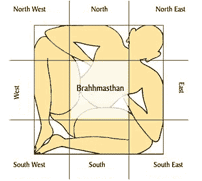
The Brahmasthan, or the central area of the house, is the most sacred and powerful zone. In Vastu, this space represents balance and cosmic connection, making it essential to keep it uncluttered and open. Placing heavy furniture, pillars, or staircases in this zone can obstruct the flow of positive energy and create disharmony in the household.
Ideally, this area should remain free of large structures. If possible, it can be designed as a common area with open flooring, skylights, or soft rugs that enhance the sense of openness. Some families choose to place spiritual symbols, rangoli patterns, or plants here to strengthen the energy flow. In modern apartments where leaving the center completely open is difficult, simple solutions like avoiding clutter, using lighter furniture, and keeping the space well-lit can ensure the Brahmasthan remains energetically vibrant.
-
Room-Specific Vastu Guidelines
 Living Room
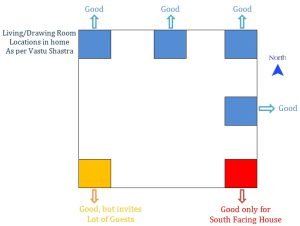
The living room is where families spend most of their time together and where guests are entertained. According to Vastu, the ideal location for the living room is the north-east or north-west direction, as these directions bring light, warmth, and cheerful vibes.
- Place heavy furniture such as sofas or cabinets along the south or west walls.
- Keep seating arranged so that the host faces east or north, believed to encourage positivity during conversations.
- Place electronic appliances such as televisions in the south-east corner.
- Use bright, soothing colors like light blue, green, or beige to promote harmony.
Adding indoor plants in the north or east section enhances air circulation and supports mental well-being, keeping the space lively and positive.
Kitchen
The kitchen is one of the most critical rooms in Vastu since it is connected to health and nourishment. It is ideally located in the south-east corner, as this is the zone of Agni (fire). If that is not possible, the north-west can serve as an alternative.
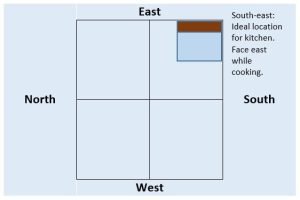
- The person cooking should ideally face east, symbolizing good health and positivity.
- Keep the stove and sink apart, as fire and water are opposing elements.
- Store grains, spices, and other food items in the south or west to ensure abundance.
- Use warm tones like orange, yellow, or light red in the kitchen decor to boost appetite and energy.
In modern interiors, sleek modular kitchens designed with Vastu principles not only look elegant but also promote well-being for the family.
Bedroom
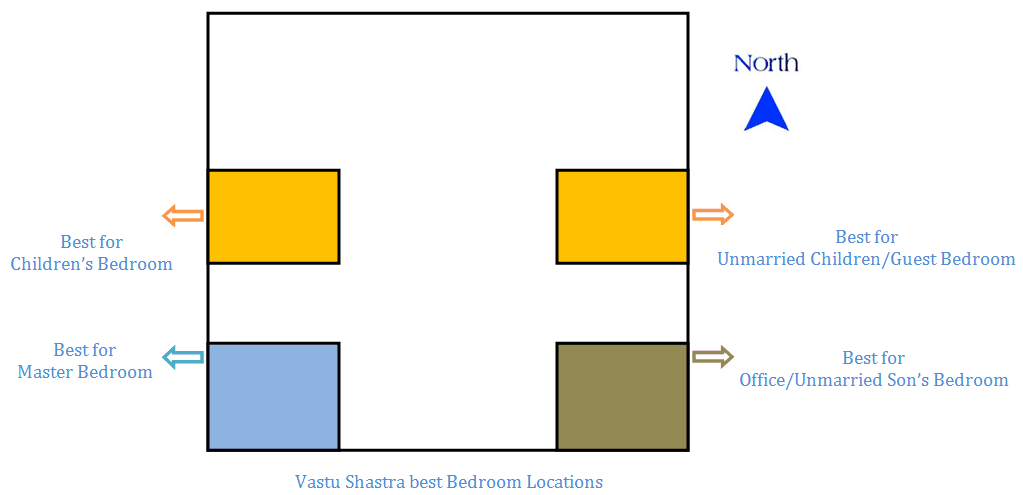
The bedroom is where rest, intimacy, and personal rejuvenation take place. According to Vastu, the south-west direction is the most suitable for the master bedroom, as it offers stability and peace.
- The bed should be placed so the head points south or east while sleeping. This orientation aligns with the earth’s magnetic field and ensures sound sleep.
- Avoid mirrors facing the bed, as they are believed to cause disturbed sleep and stress.
- Use earthy or pastel shades like beige, cream, or light blue for bedroom walls to enhance relaxation.
Children’s bedrooms are best placed in the west, while guest rooms can be located in the north-west. This ensures that every member and visitor feels comfortable and welcomed.
Pooja or Meditation Room
The pooja room or meditation space should always be located in the north-east zone, as this direction is considered sacred and highly auspicious.
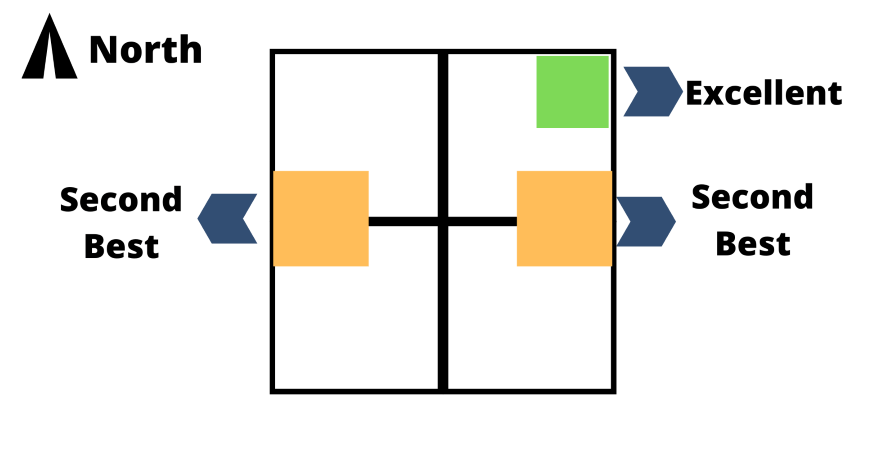
- Idols or images should face east or west, never south.
- Avoid placing bathrooms or storage rooms above or adjacent to this space.
- Use soothing colors like white, yellow, or light green to create a peaceful environment.
For modern apartments, even a small corner with a spiritual arrangement or meditation setup can fulfill Vastu requirements.
Dining Room
The dining room plays an important role in family bonding and prosperity. According to Vastu, it is best placed in the east, south-east, or west.
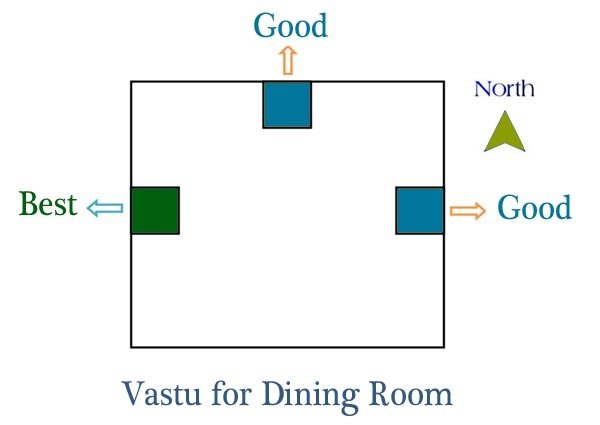
- The dining table should not touch the wall; there should be free space around it for movement.
- Family members should ideally sit facing east, west, or north while dining.
- Avoid hanging negative imagery or paintings near the dining area, as they may affect mood and appetite.
Well-lit, cheerful dining areas not only align with Vastu but also encourage better family communication.
Guest Room
A guest room is best placed in the north-west, a direction associated with movement. This ensures that guests feel welcomed and comfortable without overstaying. Decorate the space with light colors, soft lighting, and cheerful art to make it inviting. Avoid clutter or dark corners in guest rooms, as they can create stagnant energy.
-
Colors, Materials, and Light
Colors, textures, and lighting play a major role in shaping the mood of interiors and are equally important in Vastu.
- Colors: Use bright, uplifting tones in the living room, earthy tones in the bedroom, and warm tones in the kitchen. Avoid excessive black or dark shades, as they absorb energy.
- Materials: Incorporating natural materials such as wood, clay, stone, and natural fabrics like cotton and jute helps create balance and grounding energy.
- Lighting: Ensure maximum use of natural sunlight during the day. At night, use warm artificial lighting that keeps spaces welcoming and calm. Avoid dim, gloomy corners as they can harbor negativity.
-
Declutter, Balance, and Flow
A clutter-free environment is at the heart of Vastu. Piles of unused objects or broken items block energy and create unnecessary stress. To follow Vastu effectively:
- Keep the center of the house (Brahmasthan) clear.
- Place furniture slightly away from walls for easy circulation of energy.
- Avoid placing heavy objects in the north-east zone.
- Ensure regular cleaning, as dust and dirt are considered energy blockages.
Decluttering also ties in beautifully with modern minimalist design trends, making homes feel both stylish and peaceful.
-
Aligning Tradition with today’s Aesthetic
Some people worry that Vastu and modern interiors cannot coexist, but that is far from the truth. With thoughtful planning, both can be beautifully blended.
For instance, modern modular kitchens can be designed in the south-east with subtle color palettes, bedrooms can follow directional rules without compromising on sleek furniture, and living rooms can be arranged to maximize both energy flow and style. Incorporating plants, open layouts, mirrors in the right directions, and natural materials not only aligns with Vastu but also elevates the aesthetic appeal of contemporary homes.
At Module Studio, our design philosophy merges these two worlds seamlessly—creating interiors that feel balanced, functional, and elegant.
Designing for Harmony and Happiness
Vastu Shastra is not about rigid rules but about creating harmony between your living space and natural forces. By balancing the five elements, ensuring proper placement of rooms, choosing the right colors and materials, and maintaining clutter-free spaces, you can design interiors that radiate positivity, health, and prosperity.
For homeowners, following Vastu is not just about tradition—it is about creating a home that supports your physical, emotional, and spiritual well-being. With modern interior design expertise and deep respect for these timeless principles, Module Studio helps you craft spaces that not only look stunning but also enhance the quality of life for every family member.